




The 10 Biggest Derbies in Spanish Football
Fussball Derbys · 8 July 2025 · 22 min read
Carsten Germann
Regional Affairs - with one exception
Today we present the 10 biggest derbies in Spanish football. Except for El Clásico, it is mainly the local derbies in various cities and provinces of Spain that excite the fans.
One thing upfront, the Barcelona Derby between FC Barcelona and Espanyol did not make it into the top 10. Despite the geographic proximity of both clubs, the rivalry among fans is rather low and this derby cannot be compared with other city derbies in Europe. However, there are two derbies in the Madrid metropolitan area that made it into the top 10 of the biggest Spanish derbies. And here are the top 10 biggest Spanish football derbies.
10. East Andalusian Derby: Granada vs Malaga
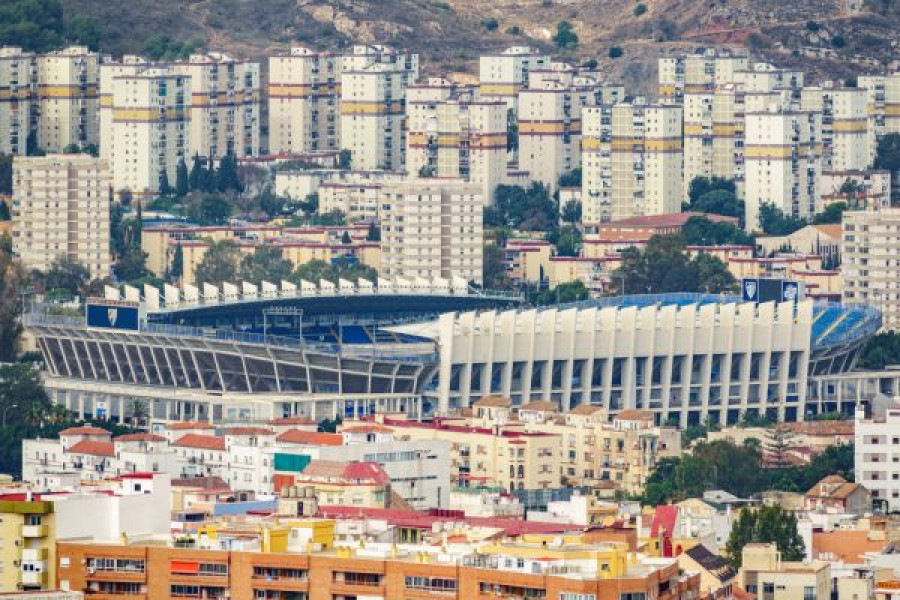

Derbies against Granada also take place at La Rosaleda Stadium of CD Malaga. Photo: Shutterstock
The derby in eastern Andalusia, also known as the Andalucía Oriental Derby (Derbi Andaluz, Derbi Oriental) stands for the rivalry between two clubs in the eastern Andalusian region, namely Málaga CF (formerly CD Málaga) and Granada CF.
The first official match between these two clubs dates back to December 10, 1933. It took place in the Tercera División at the Campo de Las Tablas when Recreativo de Granada (former name of Granada) beat CD Malacitano (former name of CD Málaga) 3-1.
In history, the clubs have met 86 times. Granada has had the upper hand 33 times and Malaga has won the derby 28 times. In 25 encounters, the match ended in a draw.
9. South Madrid Derby: Getafe vs Leganes
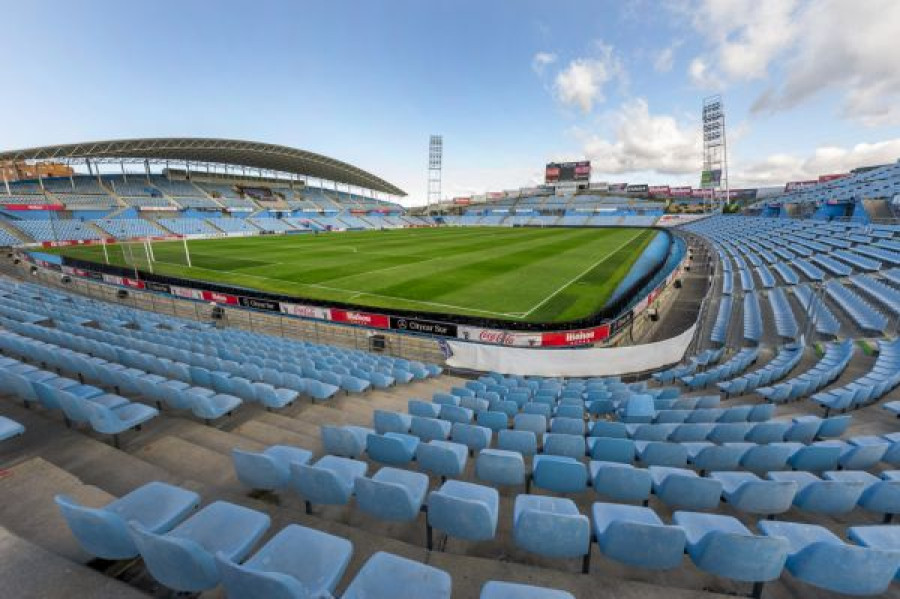
The Coliseum Alfonso Pérez - here Getafe now frequently meets Leganes in the derby. Photo: Shutterstock
The South Madrid Derby is a classic like no other. Historically played in the depths of the Spanish league system, it has risen from far below in recent years to find a home on the grand stage of La Liga - something that always seemed impossible.
The South Madrid Derby is the only derby in Spain that has been played in every Spanish league. Apart from Real Betis and FC Sevilla, no two teams in Spain are closer together than Leganes and Getafe.
Only five kilometers separate the clubs on the outskirts of the Spanish capital - the Butarque Stadium of Leganes is even visible from the Getafe stadium on the other side of the Toledo highway.
Getafe and Leganes have always been rivals on and off the pitch, their rivalry dates back to the 1920s when both teams played in the regional leagues. It was a very local affair at the time, dominating conversations in local shops and factories. It was a game that was sometimes brutal and literally played on gravel pitches between players with day jobs.
The idea that both clubs would ever play against each other in Spain's top division was dismissed as a fantasy.
Getafe was founded in 1923 and was re-founded twice in its history, in 1946 and 1983. Leganes was founded in 1928.
Since Getafe's re-foundation in 1983, both clubs have mostly played in different leagues.
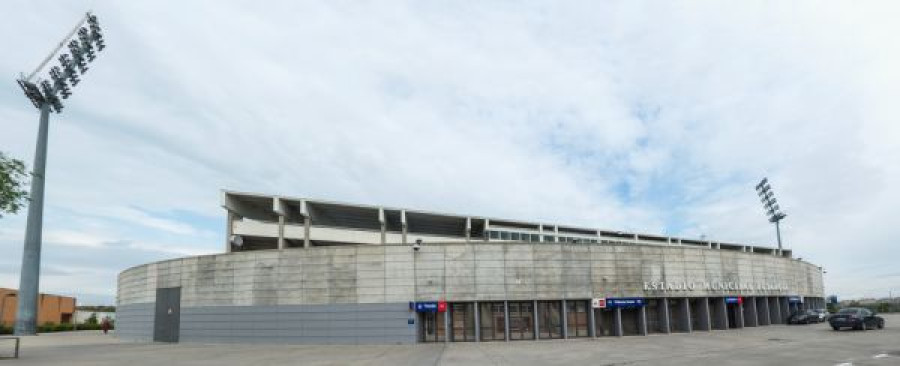
The Butarque Stadium in Leganes also regularly hosts the South Madrid Derbies. Photo: Shutterstock
After Getafe played in La Liga for 16 years (including a European Cup match against FC Bayern Munich), they were relegated to the Segunda División in 2016. In the same season, Leganes achieved their first-ever promotion to La Liga. So the teams narrowly missed each other in La Liga.
However, the fans only had to wait another year. In the following season, fate intervened. Leganes narrowly avoided relegation while Getafe achieved immediate promotion back to La Liga. And so it happened that on September 8, 2017, the South Madrid Derby was played in La Liga for the first time. This memorable match, which Getafe won 2-1, has since been referred to as El Derbi Historico.
Incidentally, there was no derby at all between 2004 and 2017, but it was always somehow present. Like any derby, it has become something more significant than a rivalry based on geographical coincidence. It may not be the biggest derby in La Liga, but the fans of both clubs know what this match means to them.
"The derby is one of the most important games of the year for us," says a Leganes fan. "We've seen this game grow and grow, and we're happy to see it in the first division now. The rivalry is real and people from both places love going to this game. Both cities are only separated by a road. This game always has a special atmosphere."
It's one of those derbies that even the players enjoy. "Two cities just a few meters apart; it's beautiful," said former Leganes captain Unai Bustinza. "In everyday life, people live in harmony, but on derby day, everyone will defend their colors."
8. Palma Derby: Real Mallorca vs Atlético Baleares
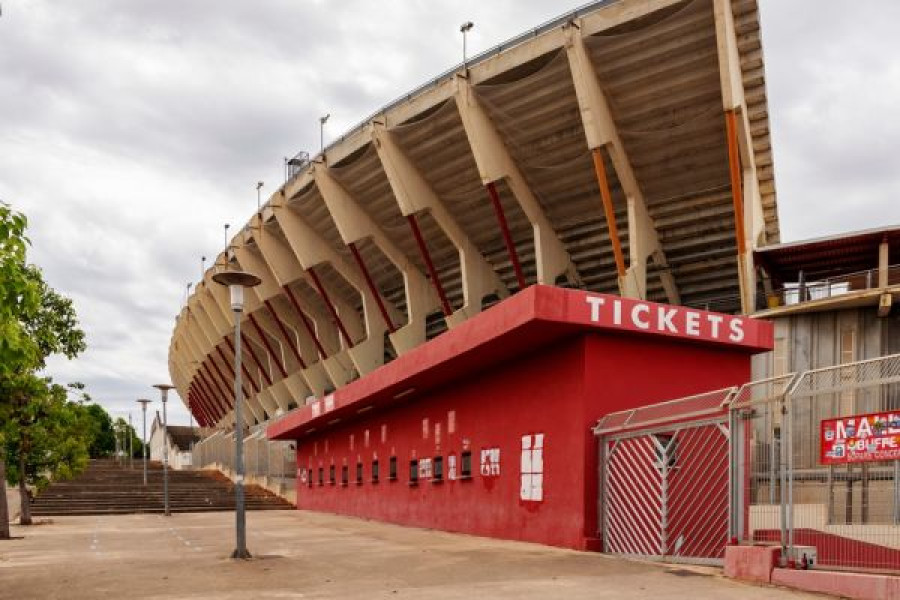
The San Moix of RCD Mallorca - The Palma Derby unfortunately only rarely takes place here. Photo: Shutterstock
The rivalry between RCD Mallorca and CD Atlético Baleares, clubs from the Balearic island of Mallorca, is known as the Palma Derby or Derbi Palmesano.
Both clubs are by far the oldest in the Balearic capital and have a bitter rivalry due to the social status of their respective founders. While RCD Mallorca (then Real Sociedad Alfonso XIII FC) was considered the team of the powerful, CD Atlético Baleares (then Baleares FC) was born from workers in the working-class neighborhoods of the city. This character is now very diluted and both clubs are much more heterogeneous than at the beginning, but the basic character is still very present when it comes to the rivalry between fan groups.
On the streets, the rivalry has remained very much alive, although the clubs have mostly played in different leagues since the 1960s - especially since the 1980s, when RCD Mallorca became very successful in sports and mostly played in La Liga or Segunda División, while Atlético Baleares was found in the depths of Segunda Division B and Tercera División.
The first meeting took place on March 13, 1921, between the second team of Alfonso XIII FC and the first of Baleares FC at the Bons Aires Stadium, owned by the Alfonsinos. The game ended early in the midst of a fierce brawl between players and spectators, as the Alfonsinos won 2-1.
The rivalry has been maintained for almost a century despite changing club names. The Mallorcans were formerly called RS Alfonso XIII FC (from 1916 to 1931), CD Mallorca (1931-1949), and RCD Mallorca (since 1949). On the Balearic side, the club name changed from Baleares FC (from 1920 to 1942) to CD Atlético Baleares (since 1942).
The last derby, played in 2018 in the Segunda División B, caused great excitement and showed that the rivalry is still very much alive. RCD Mallorca won the match in their own Visit Mallorca Stadium 3-2 against Baleares, who play their home games in Estadio Balear.
7. Derbi de la Comunitat: Valencia vs Villareal
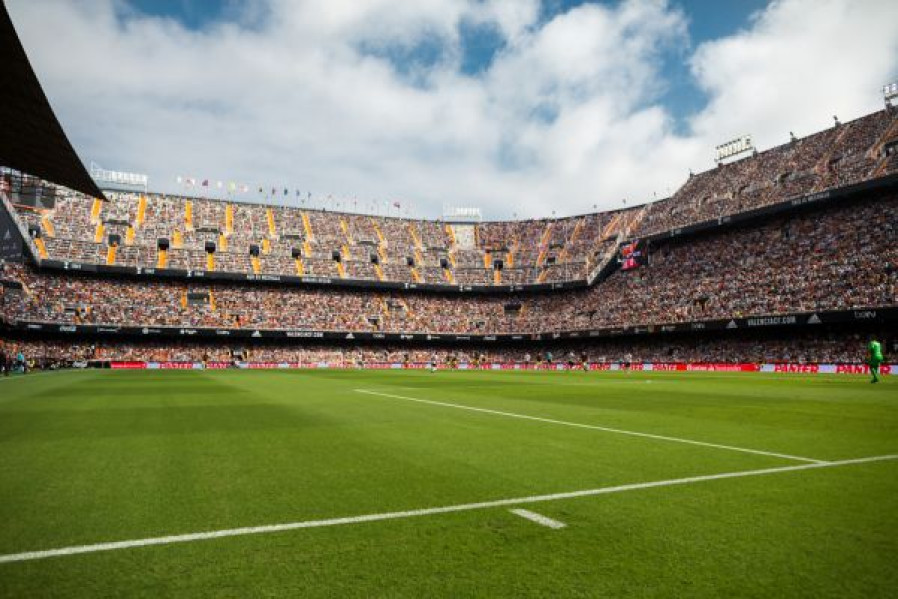
The Mestalla Stadium of Valencia. Photo: Shutterstock
A relatively young derby is the Derbi de la Comunitat ("Community Derby"). It stands for the rivalry between the two current La Liga teams Valencia CF and Villareal CF. The cities are only about 56 km apart. The relationship was initially rather friendly because the clubs were mostly in different leagues.
The rivalry between the teams developed in 1997 when billionaire Fernando Roig refused to succeed his brother Francisco, who was the owner of Valencia CF, and instead decided to buy Villarreal CF from the town of Vila Real. Until then, Villarreal CF was a relatively unknown team that became stronger and more successful under Roig's influence and high investments. The dominance of Valencia as the largest club in the region was thus challenged, creating a previously non-existent rivalry, and the meeting of the two clubs became the most important match in the autonomous region.
Today, it's no longer just about dominance in the region and who stands ahead in La Liga. The two teams have even faced each other in international competitions, including a UEFA Cup semi-final in 2004 and a UEFA Europa League quarter-final in 2019 (Valencia won both times). Valencia's major international successes are some time ago (UEFA Cup 2004 and twice in the Champions League final in 2000 and 2001). Villareal's first and only international title win is very recent. In 2021, Villarreal won the Europa League with a final victory against Manchester United.
In the 53 derbies played so far, Valencia leads with 23 wins. Villarreal has won 19 times, and 11 matches ended in a draw.
6. Asturian Derby: Real Oviedo vs Sporting Gijon
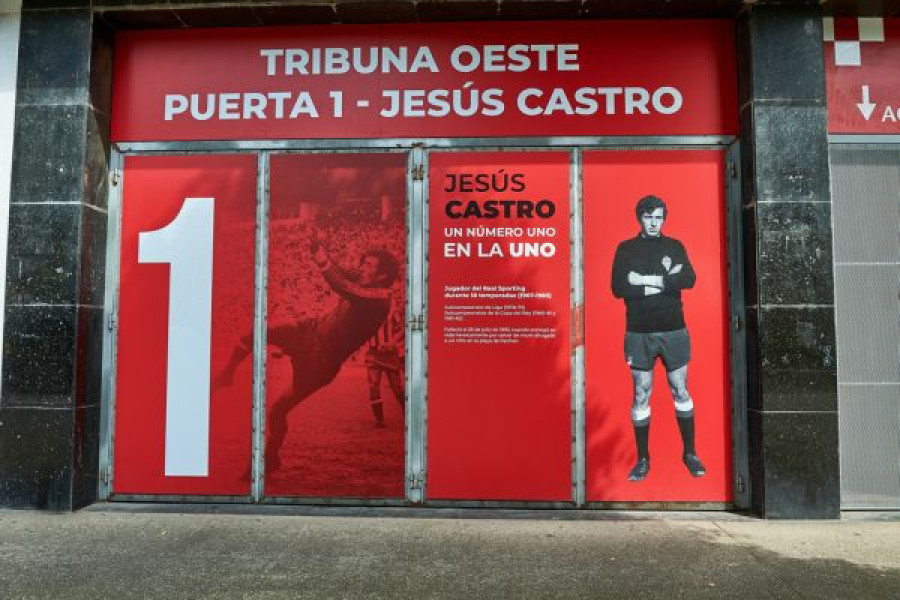
Entrance to the El Molinon Stadium of Sporting de Gijon. Photo: Shutterstock
Oviedo is the capital of the Asturias region on the northern coast of Spain. It is about 20 km south and inland from the slightly larger port city of Gijon.
The rivalry between Real Oviedo and Sporting Gijon is one of the fiercest in Spain. Oviedo fans are known as "Carbayones," after an old oak tree that once grew in the city center. Sporting fans are known for traveling in large numbers to away games, earning them the nickname "La Mareona" (The Tidal Wave).
The Asturian Derby (Asturian: Derbi asturianu, Spanish: Derbi asturiano or Derbi astur) between Sporting de Gijón and Real Oviedo, the two largest clubs in Asturias, is considered one of the biggest and hottest derbies in Spanish football.
The first official match between the two teams was played on December 5, 1926, after the two main teams in Oviedo (Stadium Ovetense and Deportivo Oviedo) merged to form Real Oviedo. The match in the Regional Championship of Asturias was played in El Molinón, and Sporting Gijón won 2-1.
The first official match in the Spanish league was played in February 1929 in the Segunda División 1929, and Real Oviedo defeated Sporting Gijon 6-2. The first derby in La Liga was played in 1944, and the Carbayones won again 2-1.
On May 29, 1977, a special derby took place in Real Oviedo, where Sporting Gijon won 2-1 away in the penultimate match of the Segunda División 1976-77, secured promotion to La Liga, and ushered in the club's "golden years."
On March 15, 1998, Real Oviedo won 2-1 in the last La Liga derby to date. After this season, Sporting Gijon was relegated to the Segunda División with the worst performance ever in the Spanish top league. This was also the last Asturian Derby played in the old Estadio Carlos Tartiere before its closure in May 2000.
The first derby in the new Estadio Carlos Tartiere of Oviedo took place on October 28, 2001. The stadium was sold out for the first time for this match. However, Sporting Gijon defeated the locals 2-0.
In 2003, the clubs played the last derby before Real Oviedo was relegated to Segunda División B, and the club later dropped to Tercera División due to unpaid bills. Oviedo won 2-1. After Oviedo's relegation to the lower leagues, the club had to play against Sporting Gijon's B-team for several years until their return to Segunda División in 2015.
In April 2000, when both clubs were in acute financial difficulties, rumors circulated about a meeting between the boards of both clubs to discuss a merger to create a single team in the region called Real Asturias and also the possibility of building a new stadium somewhere between Gijon and Oviedo. However, fans of both clubs and the vast majority of institutions rejected this proposal.
Currently, both teams play in Segunda Divisón. In 109 official matches, Real Oviedo surprisingly emerged as the winner 47 times. Sporting Gijon won the Asturian Derby 34 times, and 28 matches ended in a draw.
5. Galician Derby: Celta Vigo vs La Coruna
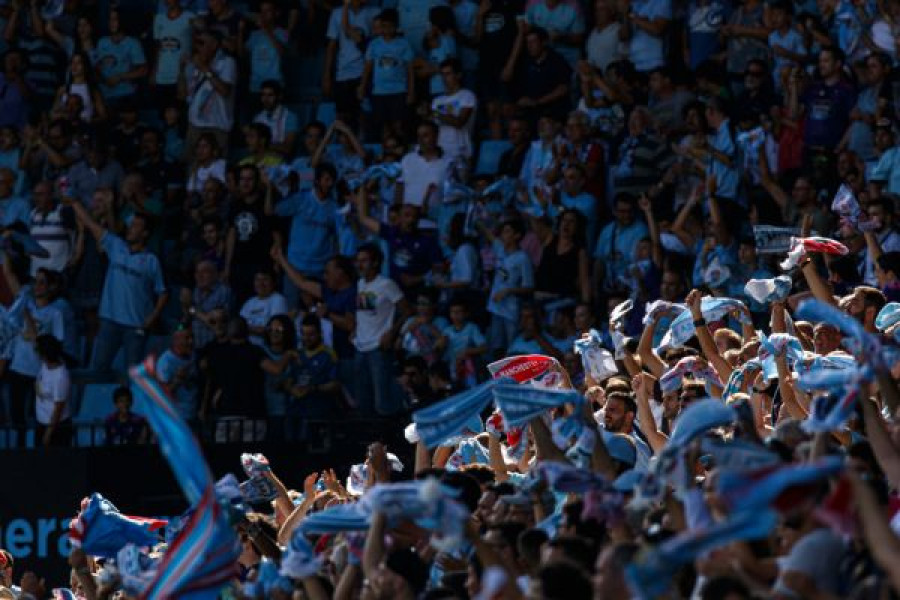
Celta Vigo fans in the Balaidos Stadium. Photo: Shutterstock
Two clubs from port cities in the weather-beaten northwest of Spain.
Both fan groups are united by their Galician heritage and language but separated by football. When Deportivo and Celta meet, both sets of fans still sing the Galician anthem together but then revert to insults. This rivalry is both brotherly and cruel. The brewery Estrella Galicia sponsors the jerseys of both clubs, so no group of fans boycotts their beer. Celta Vigo plays their home games at Estadio Balaídos, while A Coruña is at home at Estadio Riazor.
The cities of Vigo and A Coruña may seem similar at first glance to a tourist, but the residents of both cities have a strong local pride. As the saying goes: "Mientras Vigo trabaja, Coruña relaja." ("While Vigo works, Coruña relaxes.") The former is proud of its industry and fishing, while the latter enjoys a reputation as a cultural center for food and fashion. Above all, they primarily see themselves as Galicians – defined by the sea, the rain (an average of 320 days a year), and a sense of distinctiveness far from all Spanish clichés.
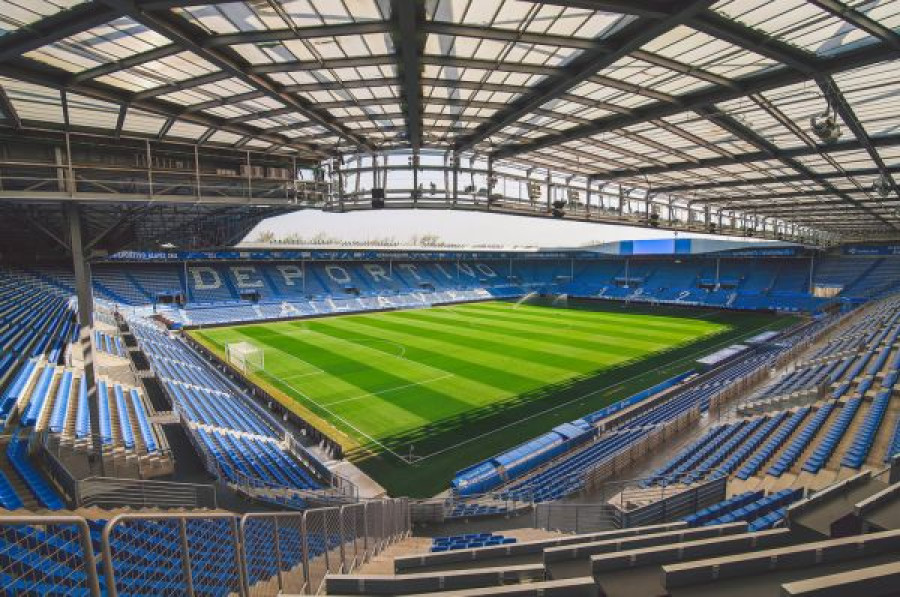
The stadium of Deportivo La Coruna. Photo: Shutterstock
All these differences come together in the Galician Derby, the bi-annual battle for local supremacy. Football is an obsession here. One fan aptly said, "There is football in music. There is football in the sea. In death, there is also football."
In the 126 encounters so far in La Liga, Segunda División, and Copa del Rey, Celta has 50 victories ahead of A Coruña, which has emerged victorious in the Galician Derby 45 times. The match ended in a draw 31 times.
4. Basque Derby: Athletic Bilbao vs Real Sociedad San Sebastian
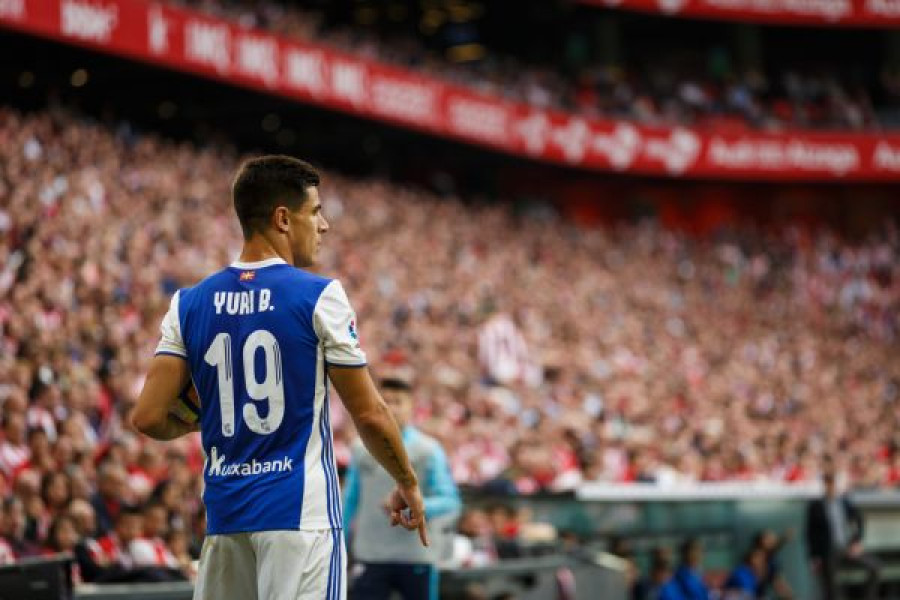
Real Sociedad visiting the San Mames Stadium of Athletic Bilbao at the Basque Derby. Photo: Shutterstock
The Basque Derby (also called Euskal Derbia in Basque or Derbi Vasco in Spanish) refers to the local football derby between Athletic Club Bilbao and Real Sociedad San Sebastian. It embodies the rivalry between the two cities on Spain's northern coast, Bilbao and Donostia-San Sebastián, the capitals of the neighboring provinces of Gipuzkoa and Bizkaia (Biscay) in the Spanish Basque Country. It is sometimes also called the AP-8 Derby, referring to the highway connecting the two cities.
The derby first took place in April 1909 and has since drawn crowds of local football fans. The two clubs are the biggest football clubs in the Basque Country and are also the most successful clubs in the region. No other clubs have played longer in the Spanish La Liga than Athletic and Real Sociedad. There are also three other top-tier clubs in the Basque region, CA Osasuna, Deportivo Alavés, and SD Eibar, who regularly play in Spain's top division. The encounters between these clubs are also considered Basque derbies, but none match the fan rivalry of Athletic and Real.
Fans of both clubs traditionally meet in and around the stadiums on matchdays, which is unusual for a local derby, and participate in events such as a "Kalijera" (a fan parade from downtown to the stadium) and the 'Bertso-derbia', a singing and poetry competition between the two groups in the style of traditional Bertsolaritza.
Apart from a few short periods, Real Sociedad has almost always played in the Spanish La Liga. They play their home games at Estadio Anoeta. Athletic Bilbao, who has never been relegated to the second division, plays their home games at San Mamés Stadium.
The Copa del Rey Final between Real Betis and FC Sevilla
Both teams qualified for the 2020 Copa del Rey final, the first Basque derby showdown in the Copa final. The match was originally scheduled for April 18, 2020, but was postponed due to the spreading COVID-19 pandemic and was finally played – in the empty Olympic Stadium of Seville – 350 days after its original date, on April 3, 2021. In an exciting match with many fouls and few chances, Mikel Oyarzabal scored the only goal – from a penalty – and helped Real Sociedad to a historic victory and their first major cup since 1987.
Here is the link to the Basque Derby in Bilbao and here to the Derby in San Sebastian
3. El Derbi Madrileño: Real Madrid vs Atletico Madrid
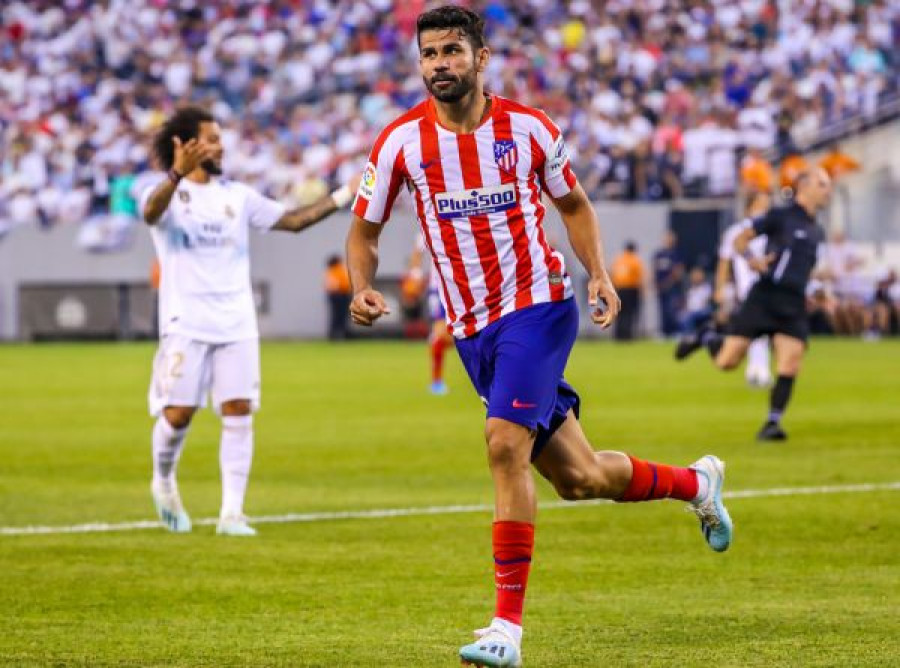
El Derbi Madrileño - the Madrid Derby between Real and Atletico Madrid. Photo: Shutterstock
El Derbi Madrileño, or simply El Derbi, is the name for the encounters between the two Madrid clubs Real Madrid and Atlético Madrid. Originally, it only referred to La Liga matches, the Spanish championship, but today the term has been generalized to tend to include every single match between the two clubs (UEFA Champions League, Copa del Rey, etc.).
In the UEFA Champions League final in 2014, both clubs met in Lisbon. It was the first time in UEFA Champions League history that two teams from the same city faced each other in a final. Two years later, both Madrid clubs faced each other again in the Champions League final. Both times, the Royals won the final against Atlético. In the UEFA Super Cup in 2018, the Madrid city derby was also the first encounter between two clubs from one city. This time, however, Atlético came out on top against Real.
The origin of the rivalry between the two clubs lies at the beginning of the 20th century. The Madrid Football Club, founded in 1902, was the most powerful club in the Spanish capital. They merged with and acquired many smaller clubs in the city, which then disappeared completely. At the same time, the best players from the remaining rival clubs were signed by Madrid FC, which doomed most of these clubs to failure. The only exception: the Athletic Club Madrid, founded in 1903. Thanks to the financial support of its "parents," the Athletic Club Bilbao, Athletic Madrid was able to keep the best players and became the last bastion against the dominance of Madrid FC in the city. Since many fans lost their "sporting" home due to the hostile takeovers, they joined the Red-Whites and were united in their dislike of Madrid FC, which was granted the title "Real" by the Spanish king in 1920 and has since been called Real Madrid. Athletic Madrid initially retained its name of Basque origin but was later associated with Franco's military regime after the war. In 1947, the club decided to shed its association with the military and changed its name to the still valid club name Club Atlético de Madrid.
In the 1950s, Franco's regime rediscovered its love for Real Madrid, which achieved many successes in the European Cup. The Franco regime adorned itself with the successes of the Royals to gain political capital for the internationally isolated country.
As a result, Atlético fans regularly chanted that Real was "El equipo del gobierno, la vergüenza del país" - "The government's team, the shame of the country."
In the 1970s, Atlético regained dominance in Spain and thus in Madrid. This prompted Real fans to look down on Atlético and refer to the club and its supporters as "Indios" (Indians, a reference to the Latin American players signed by the Red-Whites).
It is noteworthy that Real Madrid had hardly any interest in signing non-Caucasian players up to that point (President Santiago Bernabéu even once said when he decided against signing the Portuguese star Eusebio at the end of the 1960s: "Mientras yo viva, aquí no jugará ningún negro ni un blanco con bigote" ("As long as I live, no black or white with a mustache will play here").
In the banking and business district of Paseo de la Castellana is the Santiago Bernabéu, the stadium of Real Madrid. The old stadium of Atlético Madrid, the Vicente Calderón, was near a brewery and the Manzanares River. An expressway ran under the stands. Since 2017, Atlético has been playing in the new and modern Wanda Metropolitano.
Due to its historically stronger resources and successes, Real Madrid has greater support throughout the region around Madrid, while Atlético's fans mainly come from the working-class south of the city.
Although Atlético has been ahead of the Royals in recent times, Real is clearly ahead in the overall standings. After 227 derbies in the league and national and international cups, Real Madrid has 112 derby victories, while Atlético has won 56 times. 59 times the Madrid derby ended in a draw.
Football trips and tickets to the Madrid Derby at the Santiago Bernabéu and the El Derbi Madrileño at the Wanda Metropolitano
2. Seville Derby: Real Betis vs Sevilla FC
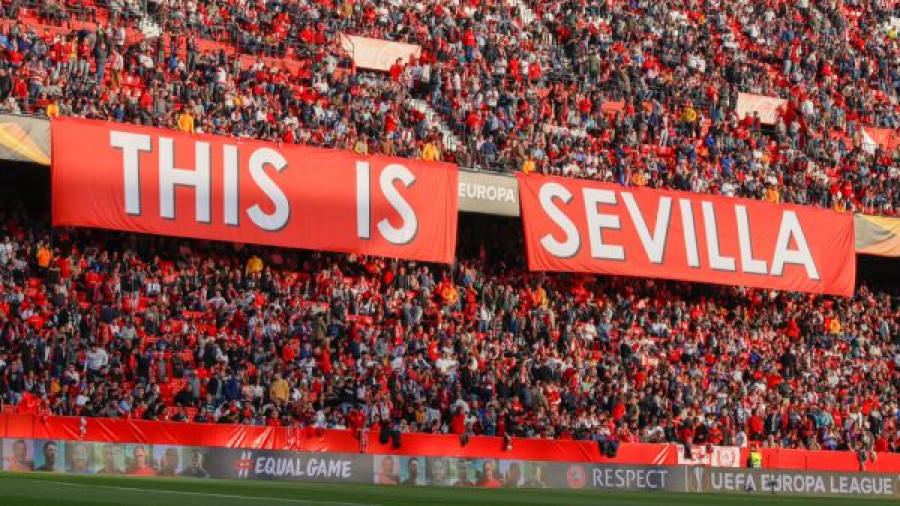
FC Sevilla fans make it clear who rules the city. Photo: Shutterstock
The city of Seville is located in southern Spain and is home to two football teams: Real Betis and FC Sevilla. In Spain's fourth-largest city, there is a great rivalry between the two clubs. Like many derbies, FC Sevilla against Real Betis is fiercely contested. In a city where summer temperatures reach over 50 degrees, tensions arise both on and off the pitch.
FC Sevilla is located in the wealthier district of Nervion in Seville and plays at the Ramon Sanchez Pizjuan stadium, while Real Betis or "Los Verdiblancos" (the Green-Whites) are supported more by the working class and play in the Heliopolis region. Their stadium is Benito Villamarin. Both clubs are regulars in Spain's top division, La Liga. This fact has helped intensify the fierce rivalry between the two clubs.
On match days, the rivalry is evident everywhere, and in the past, both fan groups have often clashed. But the teams were not spared either. In a Copa del Rey encounter in 2007 at Betis, FC Sevilla's coach Juande Ramos was hit in the head by a bottle thrown from the crowd. He lost consciousness, and the match had to be abandoned. Before a match in 2018, there was a major brawl between the Biris (Sevilla's ultras) and Betis' ultras, leading to 24 arrests.
In both stadiums, even if there is no violence, there are always insults between the supporters of the two clubs. A lot also happens on the pitch. Between 2009 and 2014, there was a series of seven red cards in seven encounters.
Aside from the points, it is primarily about crowning the kings of the city. The club anthem of FC Sevilla refers to La Giralda (Seville's famous cathedral), proudly watching FC Sevilla in action.
The Seville Derby has taken place 134 times so far. In addition to the matches in La Liga, Segunda División, and Copa del Rey, the two teams also faced each other twice in the Round of 16 of the Europa League in 2014. After the first and second legs, the overall score was 2-2 (both teams lost their home matches 0-2). It was only in the penalty shootout that FC Sevilla won the Round of 16 4-3 in Real Betis' stadium and advanced to the quarter-finals. Overall, FC Sevilla clearly leads in derby victories. FC Sevilla has won 63 times, while Real Betis has won 38 times. The derby ended in a draw 32 times.
To the Seville Derby at Real Betis and the Derby at FC Sevilla.
1. El Clásico: FC Barcelona vs Real Madrid
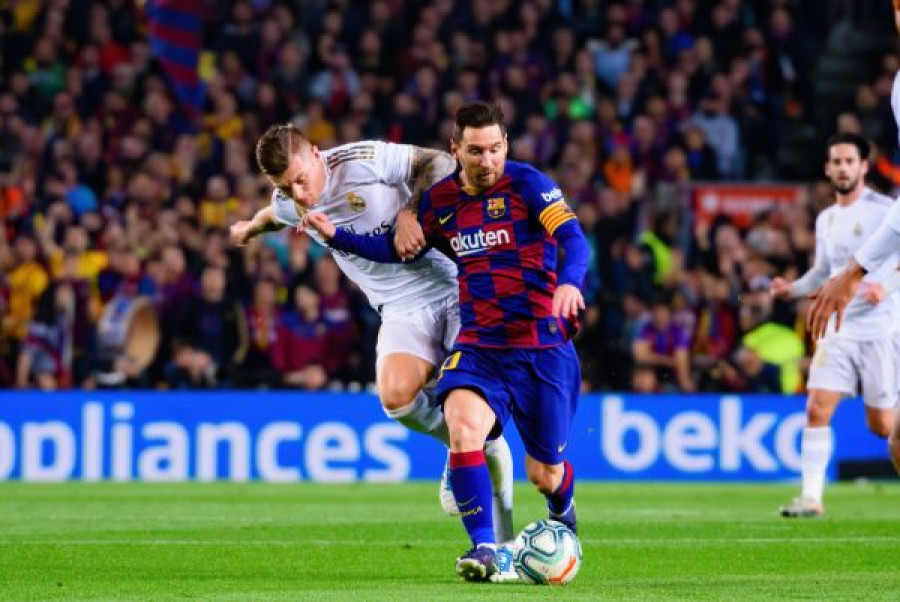
A picture from past days. Messi in a duel with Toni Kroos at El Clásico between Real Madrid and FC Barcelona. Photo: Shutterstock
Every football fan knows El Clásico and almost every football fan wants to be there when the two Spanish giants FC Barcelona and Real Madrid meet. It is also the most-watched football match on television worldwide. Almost half a billion people around the world watch the two Clásicos each year.
Due to opposing political positions, there is a very great rivalry between the fans of both clubs. The Catalans would like to be independent from the Spanish state and monarchy, and they associate Real Madrid with the institution that oppressed them for decades. In football, the Catalans show their pride, and a victory against the "hated" Blancos is the greatest thing for any Barça fan.
Barça against Real Madrid has only been called "El Clásico" since the turn of the century, a term imported from Latin America. However, the term is not equivalent to the expression "Derby," which usually also brings regional proximity. Nevertheless, the Clásico is often referred to as a derby.
So far, Real Madrid and FC Barcelona have faced each other 279 times (including 34 friendly matches). The first match was on May 13, 1902, when both teams played the final of the Copa de la Coronación (a precursor to the Copa del Rey). Since 1928, the birth year of the Primera División, there have been at least two Clásicos every year, except for the years 1936 to 1939. Real Madrid has won the Clásico 103 times. FC Barcelona has won El Clásico 115 times. The Clásico ended in a draw 62 times.
Here are the Football trips and tickets to El Clásico in Madrid and the Football trips and tickets to El Clásico at Camp Nou in Barcelona.
Other articles you might be interested in:
The 10 most successful football clubs in Spain
The 10 biggest derbies in Italian football
Don't miss an update
Get selected highlights about sports, events and travel - short, relevant, no spam.